Taxonomy
- Ray-finned Fishes (Actinopterygii)
- Perch-like Fishes (Perciformes)
- Icefishes and allies (Notothenioidei)
- Thornfishes (Bovichtidae)
- (Bovichtus)
- Chilean Thornfish (Bovichtus chilensis)
- (Bovichtus)
- Thornfishes (Bovichtidae)
- Icefishes and allies (Notothenioidei)
- Perch-like Fishes (Perciformes)
Chilean Thornfish (Bovichtus chilensis)
The Chilean Thornfish (Bovichtus chilensis) is a fascinating creature that roams the cold coastal waters of Chile and Argentina. This unique fish, often admired for its distinctive appearance and ecological role, showcases the beauty and complexity of marine life. Let’s dive deeper into this captivating species and explore its characteristics, behavior, and importance to the marine ecosystem.
Overview
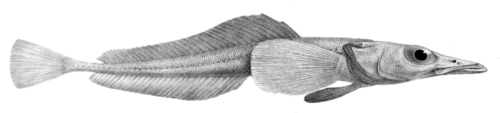
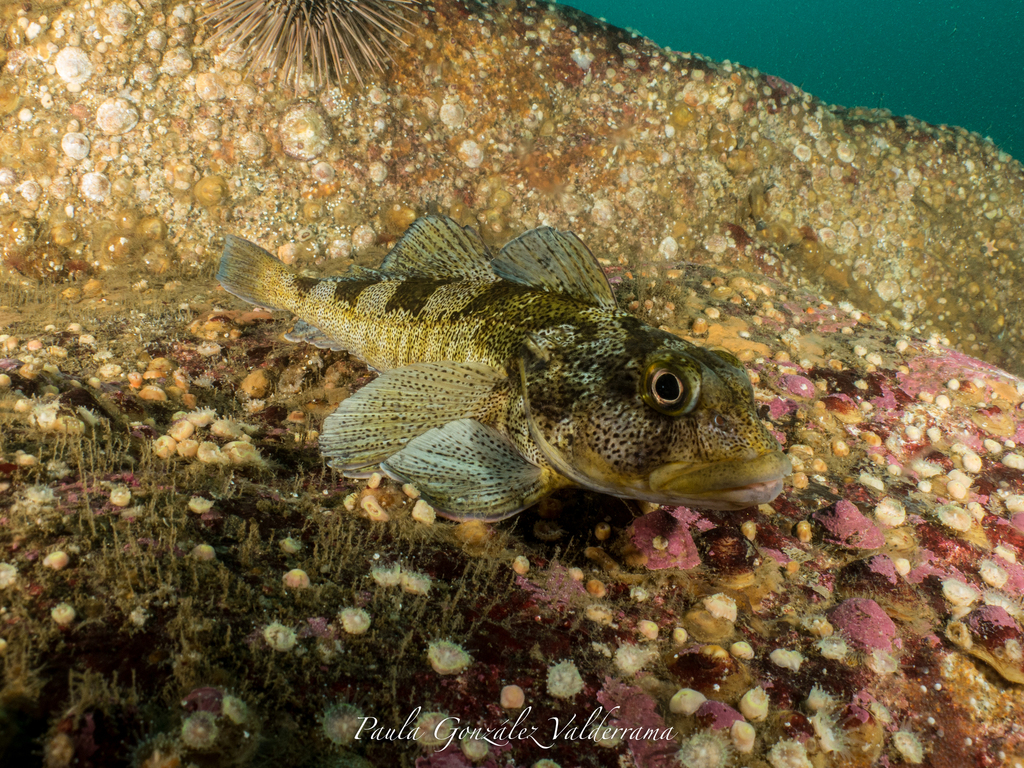
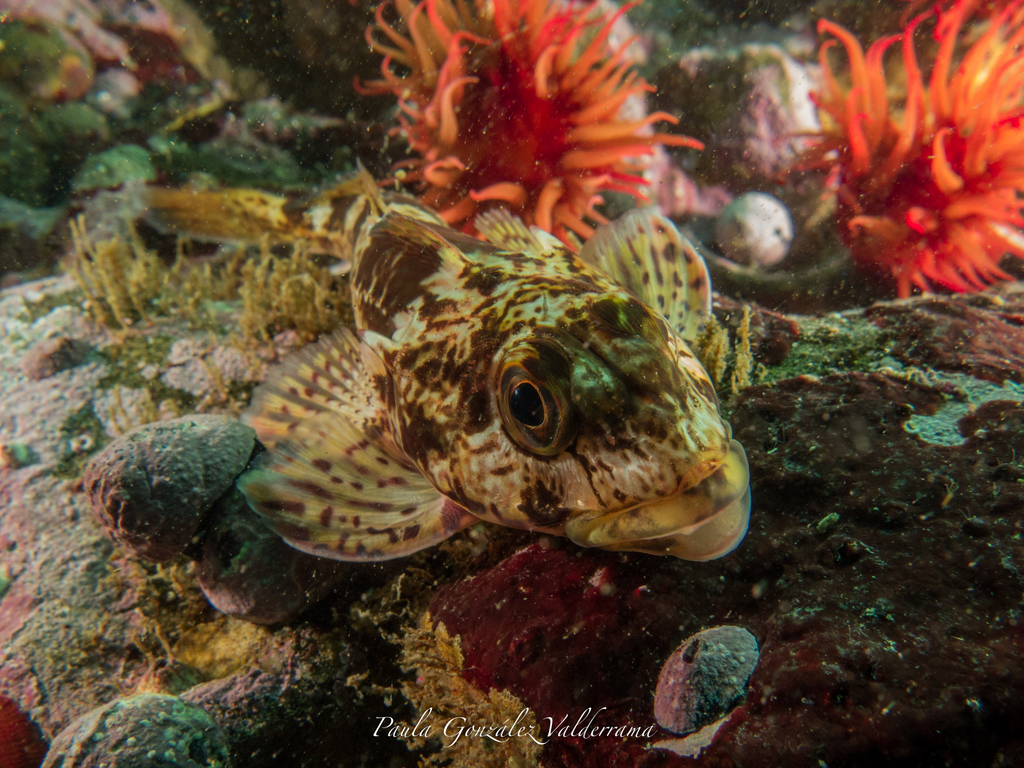
The Chilean Thornfish is a member of the family Bovichtidae and is recognized for its elongated body, characterized by thorn-like spines along its dorsal fin. This species is often found in shallow waters, primarily around rocky substrates, where it camouflages itself among the marine vegetation and crevices. The cold and nutrient-rich waters surrounding Chile create an ideal habitat for this fascinating fish, contributing to its ecological niche within the region.
Identification Tips:
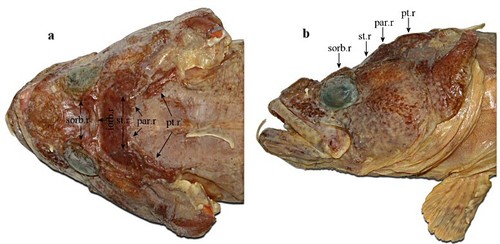
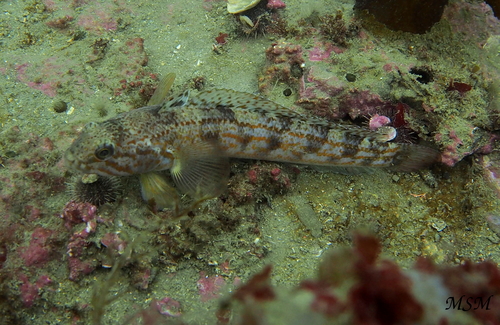
– Body shape is elongated and somewhat compressed laterally. – Adult coloration ranges from brown to greenish with darker mottling. – Distinctive long, slender dorsal fin extending along the back. – Spines on the dorsal fin are not strongly pronounced. – Pectoral fins are relatively large and set low on the body. – Located primarily in southern coastal waters of Chile, often in rocky habitats. – Size can reach up to 30 cm in length. – Notable for their keen eyesight and reliance on sight for hunting.
Etymology
The name Bovichtus derives from the ancient Greek word “bous,” meaning ox, likely referencing the fish’s robust structure. The species name chilensis signifies its geographical link to Chile, where it is predominantly found. Together, these components mirror the fish’s robust build and its natural habitat.
Physical Characteristics
The Chilean Thornfish displays several notable physical characteristics that help identify it. Typically, it possesses:
- A long, slender body that can grow up to 30 cm (12 in) in length.
- A distinctive row of thorn-like spines running along the dorsal fin, which serves as a defense mechanism.
- Prominent pectoral fins, which allow for agile movements through rocky environments.
- A pale to dark grayish coloring adorned with mottled patterns, providing excellent camouflage against sandy and rocky seabeds.
Identifiable Traits
When trying to identify a Chilean Thornfish, you can look for several unique traits:
- Dorsal Spines: The pronounced, sharp spines along the back.
- Body Shape: Long and slender, tapering towards the tail.
- Pectoral Fin Size: Larger than average, giving it distinctive swimming abilities.
- Coloration: A blend of browns and grays, patterned with blotches that mimic its rocky habitat.
Ecological Significance
The Chilean Thornfish plays a vital role in its ecosystem. As a benthic predator, it helps control populations of smaller invertebrates, contributing to the balance of marine life. Its presence indicates a healthy and diverse ecological community, as it requires specific conditions provided by well-functioning marine environments. Furthermore, it serves as prey for larger fish and marine mammals, facilitating energy transfer through the food web.
Location/Region
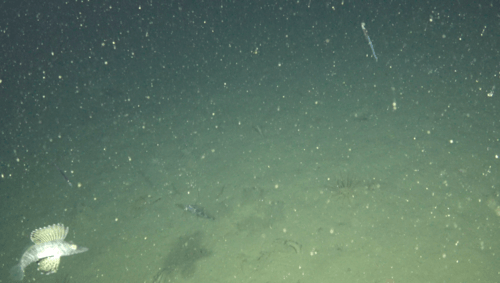
Primarily, the Chilean Thornfish inhabits the cold waters of the southeastern Pacific Ocean. It is predominantly found off the coasts of Chile and Argentina, usually at depths ranging from 10 to 80 meters (33 to 262 feet). Its preference for rocky substrates means that it thrives in regions with abundant cover and complex topography, such as kelp forests and coastal reefs.
Social Behavior
The social behavior of the Chilean Thornfish is rather intriguing. While they can often be solitary, observations suggest that they may occasionally congregate in small groups, especially in areas with ample food resources. Despite this, they are generally not known for complex social interactions, relying more on their camouflage and defensive spines to avoid predation.
Mating Practices
Mating in the Chilean Thornfish involves several essential practices. They are believed to be oviparous, laying eggs that adhere to substrate surfaces in safe, concealed areas. The timing of their spawning coincides with oceanic conditions that favor egg survival, which highlights their adaptability to their environment. While specific courtship behaviors have yet to be observed in detail, it is believed they engage in subtle displays of dominance and territory establishment prior to breeding.
Natural Predators
As with many fish species, the Chilean Thornfish faces various natural predators. Larger fish, seabirds, and even marine mammals target them, especially during their juvenile stage when they are more vulnerable. Their defensive spines are their primary means of protection, deterring many would-be predators and reducing the risk of being consumed.
Conservation Status
The current conservation status of the Chilean Thornfish is classified as “Least Concern” by the International Union for Conservation of Nature (IUCN). However, local threats such as habitat degradation, overfishing, and pollution can potentially impact its population dynamics. Monitoring these factors is crucial for ensuring the longevity and health of their populations in the wild.
Human Impact
Human activities such as commercial fishing and coastal development have had significant impacts on marine ecosystems. While the Chilean Thornfish is not heavily targeted in fisheries, the degradation of their habitats can affect their abundance indirectly. Preserving their natural habitats through sustainable practices and pollution control is vital for maintaining the populations of this unique fish and supporting the broader marine ecosystem they inhabit.
Interesting Facts
Here are a few intriguing facts about the Chilean Thornfish:
- Despite their formidable spines, they are often preyed upon by larger fish that have learned to bypass this defense.
- Their unique appearance has garnered the interest of marine enthusiasts and researchers alike, making them a subject of study for understanding adaptation in marine organisms.
- While not commercially important, their presence is key to maintaining the balance in their ecosystems.
The Chilean Thornfish (Bovichtus chilensis) is more than just a fascinating inhabitant of the ocean; it is a vital part of the rich tapestry of marine life. Understanding their behavior, habitat, and ecological importance helps us appreciate the marvels of nature and encourages us to protect these incredible creatures and their environments.
Chilean Thornfish (Bovichtus chilensis)
ID: 95954