
Taxonomy
- Ray-finned Fishes (Actinopterygii)
- Butterflyfishes, Angelfishes, and Allies (Acanthuriformes)
- Carps, characins, catfishes and allies (Ostariophysi)
- Perch-like Fishes (Perciformes)
- Freshwater Sunfishes, Grunters, and Allies (Centrarchiformes)
- Blennies, damselfishes and allies (Blenniiformes)
- Wrasses and allies (Labriformes)
- Puffers and Filefishes (Tetraodontiformes)
- Gobies, cardinalfishes and allies (Gobiiformes)
- Pipefishes and Allies (Syngnathiformes)
- Jacks, Flounders, Barracudas, and Allies (Carangiformes)
- Salmons, pikes and mudminnows (Salmoniformes)
- Rivulines, Killifishes, and Livebearers (Cyprinodontiformes)
- Tarpons, Eels, and Allies (Elopomorpha)
- Cichlids and Allies (Cichliformes)
- Mullets and glassfishes (Mugiliformes)
- Herrings (Clupeiformes)
- Needlefishes, Halfbeaks, and Allies (Beloniformes)
- Mackerels, Tunas, Butterfishes, and Allies (Scombriformes)
- Leaffishes, Snakeheads, and Gouramis (Anabantiformes)
- Sawbellies and squirrelfishes (Beryciformes)
- Silversides (Atheriniformes)
- Gars (Lepisosteiformes)
- Grinners, Lizardfishes, and Allies (Aulopiformes)
- Anglerfishes (Lophiiformes)
- Oceanic Basses (Acropomatiformes)
- Cods and hakes (Gadiformes)
- Toadfishes (Batrachoidiformes)
- Sturgeons and Paddlefishes (Acipenseriformes)
- Bonytongues and mooneyes (Osteoglossomorpha)
- Galaxiids (Galaxiiformes)
- Swamp Eels (Synbranchiformes)
- Bowfins (Amiiformes)
- Smelts and Allies (Osmeriformes)
- Trout-perches, Pirate Perches, and Cavefishes (Percopsiformes)
- Lanterneyes, fangtooths and allies (Trachichthyiformes)
- Cusk-eels (Ophidiiformes)
- Dories (Zeiformes)
- Dragonfishes and Allies (Stomiiformes)
- Bichirs (Polypteriformes)
- Lanternfishes (Myctophiformes)
- Velifers, Opahs, and Ribbonfishes (Lampriformes)
- Marine Smelts (Argentiniformes)
- Slickheads and tubeshoulders (Alepocephaliformes)
- Jellynose Fishes (Ateleopodiformes)
- Beardfishes (Polymixiiformes)
- Salamanderfishes (Lepidogalaxiiformes)
- (Pycnodontiformes)
- (Aspidorhynchiformes)
- (Aesopichthyidae)
Ray-finned Fishes (Actinopterygii): The Marvels of Our Oceans
Ray-finned Fishes (Actinopterygii) are an extraordinary group of vertebrates that dominate the aquatic world. With more than 30,000 species recorded, they embody a stunning array of shapes, colors, and sizes, making them one of the most diverse classes of vertebrates on the planet. Let’s embark on a deep dive into the fascinating world of these graceful swimmers.
Overview
Ray-finned Fishes belong to the class Actinopterygii, which includes over half of all known vertebrate species. These fishes are characterized by their unique skeletal system, comprising thin bony rays that support their fins. Found in an astonishing range of habitats—from the vibrant coral reefs to deep ocean trenches—these fishes play crucial roles in marine ecosystems. They are a primary food source for many larger predators, including mammals and birds, contributing significantly to the ocean’s food web.
Identification Tips:
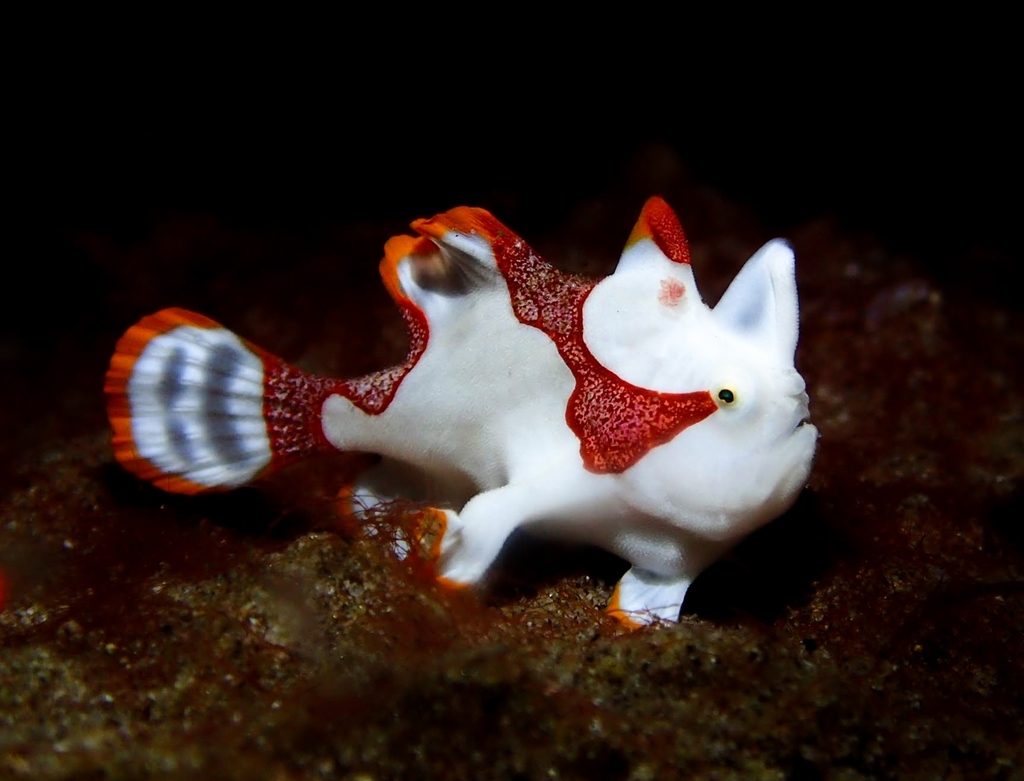
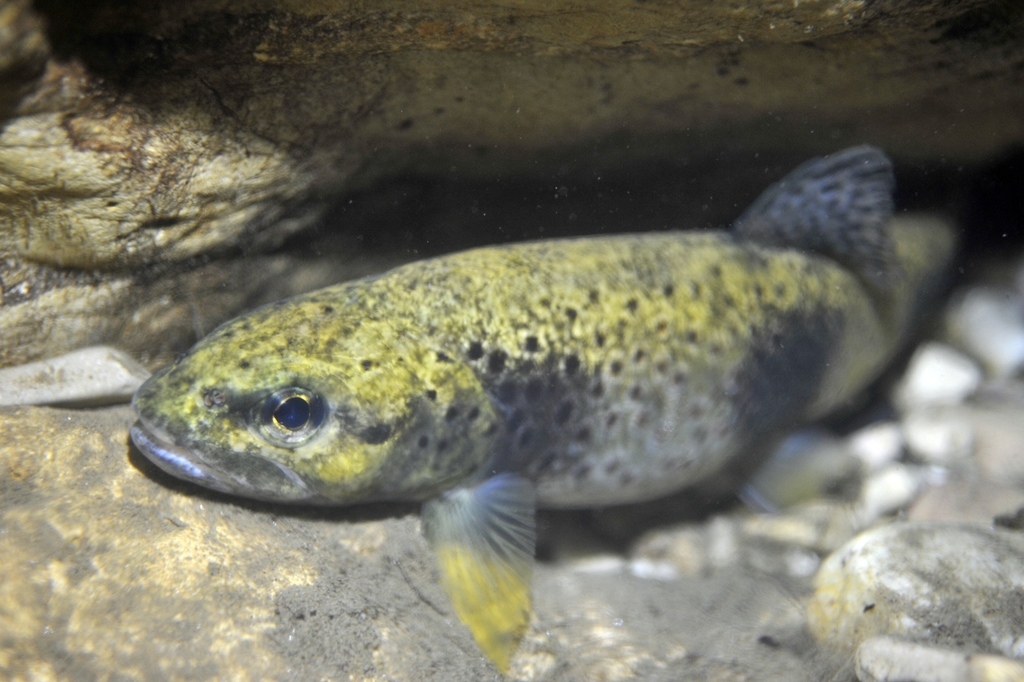
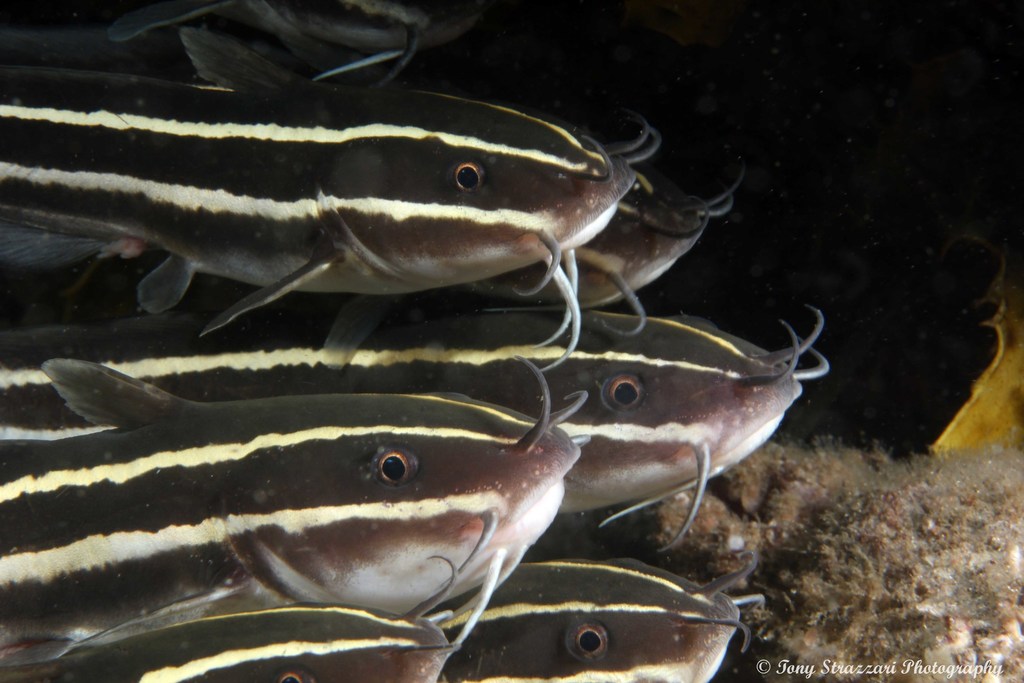
– Look for the presence of bony fins supported by rays; this is a defining characteristic. – Check the body shape: varies widely from elongated to flattened. – Observe the scale type: most species have cycloid or ctenoid scales. – Examine the mouth position: can be terminal, sub-terminal, or inferior depending on feeding habits. – Observe fin placement: dorsal fins may be single or divided; pelvic fins can be located abdominally or thoracically. – Note the presence of a swim bladder: most ray-finned fishes possess one for buoyancy control. – Pay attention to coloration and patterns: can be highly variable, often used for camouflage, signaling, or warning. – Look for specialized structures like barbels or electric organs that may help in identification. – Use features like lateral lines or patterns of gill openings for more precise species identification.
Etymology
The term Actinopterygii derives from Greek roots, where aktis means “ray” and pteron translates to “fin.” This nomenclature aptly captures the defining feature of these fishes: their fins, supported by numerous bony rays, allowing for fantastic maneuverability and adaptability in their aquatic environment.
Physical Characteristics
Ray-finned Fishes exhibit a remarkable variety of physical characteristics, but some key traits unite the group. Their bodies are typically covered in scales made of a substance called ganoin, which provides a protective layer against predators. Most species possess a swim bladder, a gas-filled organ that aids in buoyancy control, allowing them to navigate their underwater realms with grace.
Identifiable Traits
When it comes to identifying Ray-finned Fishes, several features stand out:
- Fins: The characteristic ray-like structure of their fins helps with propulsion and steering in the water.
- Body Shapes: They exhibit a wide range of silhouettes—from the streamlined shapes of tunas to the flattened forms of flounders.
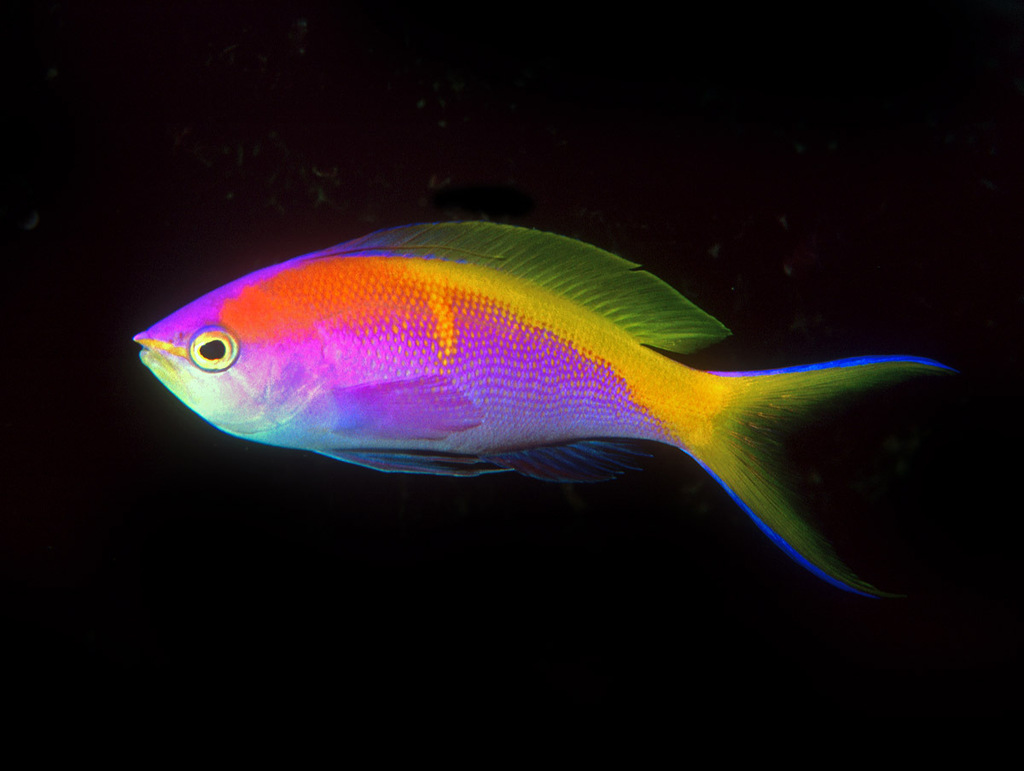
- Coloration: A vibrant palette of colors and patterns serves to attract mates or ward off predators.
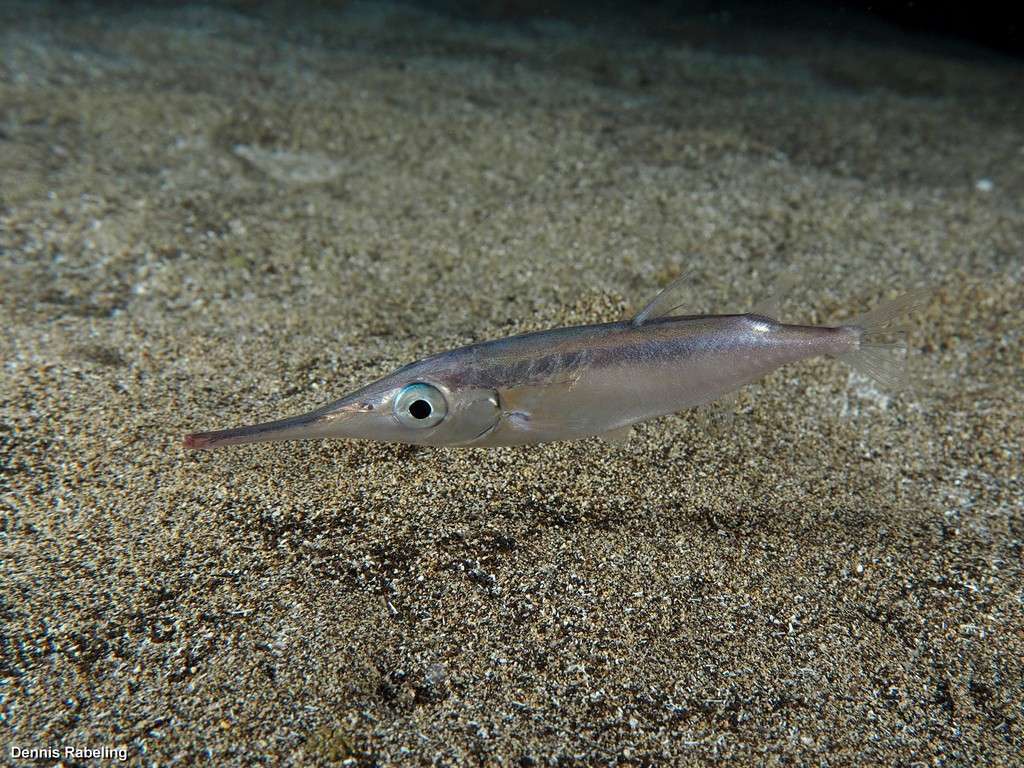
- Mouth Structure: Depending on their diet, mouth shapes vary widely; some have pointed beaks while others flaunt large jaws for capturing prey.
Ecological Significance
Ray-finned Fishes are integral to marine ecosystems for various reasons. They help control populations of smaller fish and invertebrates, maintaining a balanced food web. Additionally, many species serve as prey for larger wildlife, effectively transferring energy up the food chain. Moreover, their activities contribute to the nutrient cycling in both freshwater and marine environments.
Location/Region
This diverse group can be found in a plethora of locations ranging from shallow coastal waters to the depths of the abyssal plains. From the icy waters of the Arctic to the warm tropics of the Caribbean, Ray-finned Fishes adapt to various environments. Habitats include coral reefs, estuaries, rivers, and lakes. Notable regions teeming with these fishes are the Great Barrier Reef in Australia and the Amazon River basin.
Social Behavior
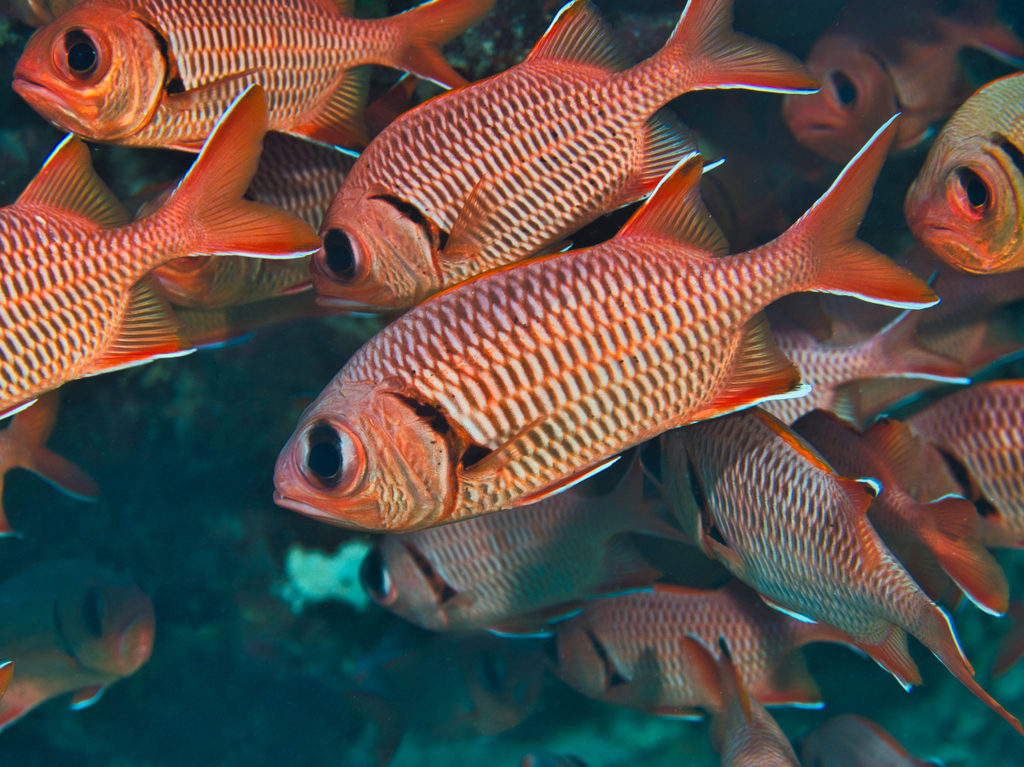
The social dynamics of Ray-finned Fishes are as varied as the species themselves. Some are solitary hunters while others are known for their schooling behavior, where hundreds or thousands of individuals swim together in synchronized patterns. This schooling not only helps with foraging but also provides protection against predators through the dilution effect—predators are overwhelmed by the sheer number of fish.
Mating Practices
Mating practices among Ray-finned Fishes can be quite diverse. Many species are known for their elaborate courtship rituals, which may involve vibrant displays of color or intricate fin displays to attract mates. Some species practice external fertilization, where females release eggs into the water column for males to fertilize, while others may participate in nesting behaviors. For instance, the clownfish are famous for defending their eggs laid on flat surfaces, ensuring the safety of their offspring.
Natural Predators
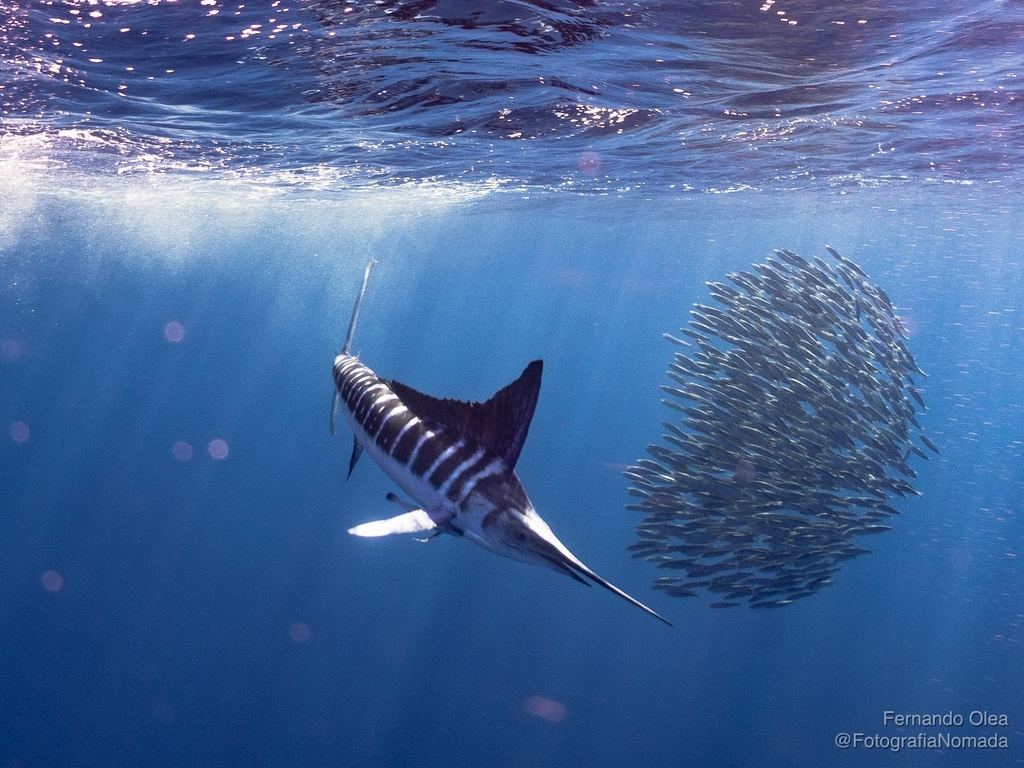
As crucial components of the oceanic food web, Ray-finned Fishes face threats from a range of natural predators including larger fish, seabirds, sharks, and marine mammals. Their capacity for quick evasive maneuvers, combined with schooling behavior, helps them evade these predators.
Conservation Status
While many species of Ray-finned Fishes are abundant, others face significant threats from overfishing, habitat destruction, pollution, and climate change. Some species, like the Atlantic bluefin tuna, are critically endangered, pushing conservation efforts to the forefront. Protecting their habitats and implementing sustainable fishing practices are crucial steps towards preserving these incredible creatures.
Human Impact
Human activities significantly sway the balance of Ray-finned Fishes’ populations across the globe. Overfishing and habitat destruction have led to the decline of many species. Pollution—from plastics to heavy metals—affects their health and reproductive abilities. However, initiatives like marine protected areas (MPAs) and responsible aquaculture practices are employed to help mitigate these impacts, showcasing our growing recognition of their ecological significance.
Interesting Facts
- Did you know that the archerfish can shoot jets of water to knock insects off branches and into the water?
- The seahorse is unique in the fish world, where the male carries fertilized eggs in a brood pouch until birth!
- Some Ray-finned Fishes, like the clownfish, form mutualistic relationships with sea anemones, providing protection for both species.
In conclusion, Ray-finned Fishes (Actinopterygii) serve as a testament to the diversity and adaptability of life under the sea. Through their intriguing behaviors, vital ecological roles, and striking appearances, they continue to capture our fascination and remind us of the importance of protecting our oceans. So next time you find yourself near a body of water, take a moment to appreciate the incredible world of Ray-finned Fishes swimming just beneath the surface!
Ray-finned Fishes (Actinopterygii)
Actinopterygii /ˌæktɪnˌɒptəˈrɪdʒi.aɪ/, or the ray-finned fishes, constitute a class or subclass of the bony fishes.
http://en.wikipedia.org/wiki/Actinopterygii
ID: 47178


