Taxonomy
Discovering the Bay Goby (Lepidogobius lepidus)
The Bay Goby (Lepidogobius lepidus) is a fascinating species of goby fish that typifies resilience and adaptability. These petite fish, shaping the coastal ecosystems of North America, are not just ordinary fish; they encapsulate a remarkable story of evolution, interaction, and survival in the ever-changing environment of sandy and muddy areas along the shoreline.
Overview
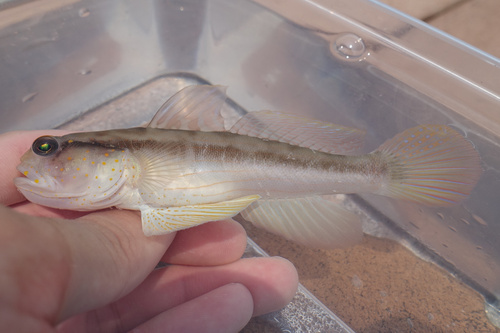
The Bay Goby is a charming little fish found primarily in estuarine and coastal waters. They can flourish in a variety of habitats, including brackish waters that exhibit fluctuating salinities. Typically measuring around 2 to 4 inches in length, the Bay Goby possesses a flat body and a distinctive head shape, allowing them to seamlessly blend into their surroundings. These fish play a crucial role in the food web of their ecosystems, serving as both predators of small crustaceans and prey for larger fish.
Identification Tips:
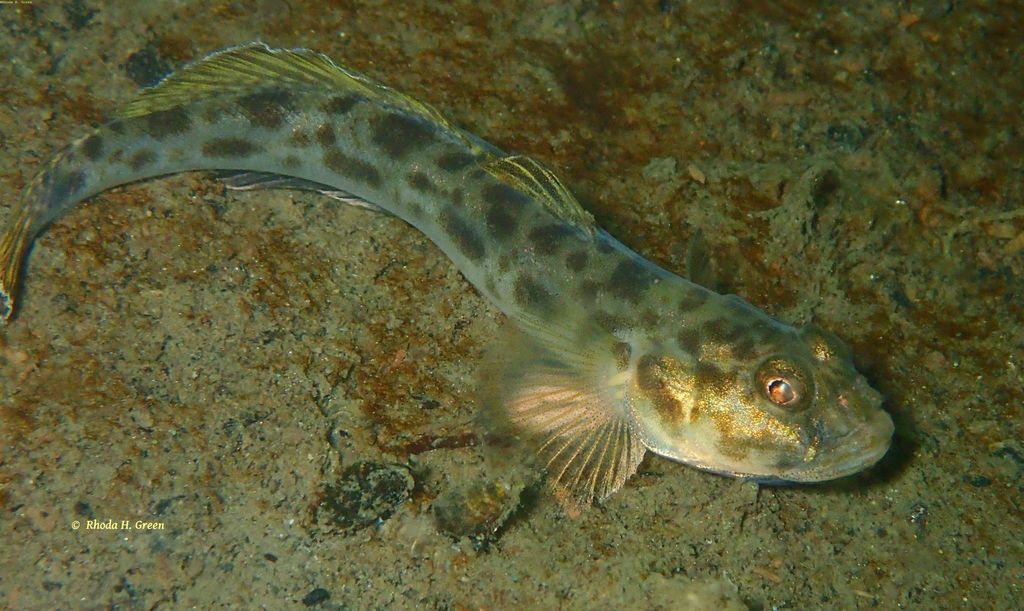
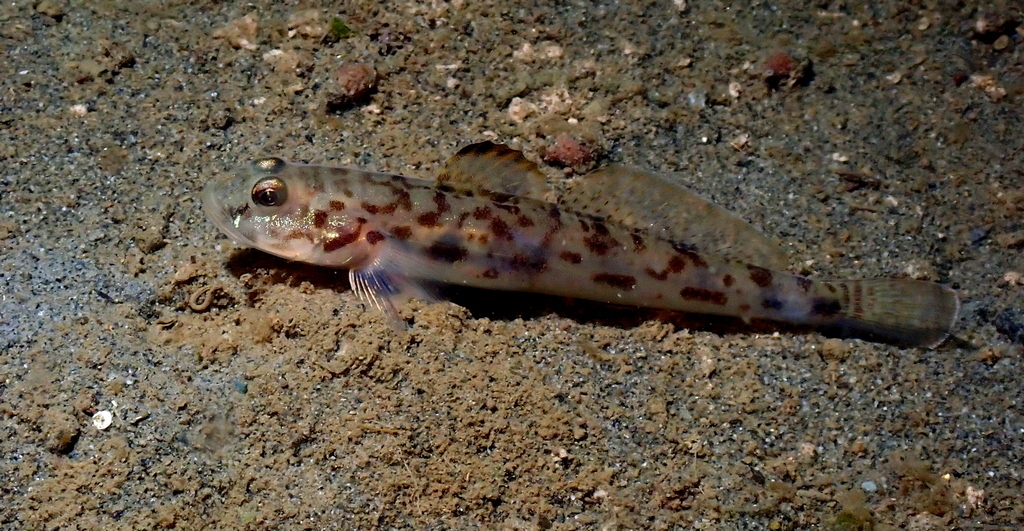
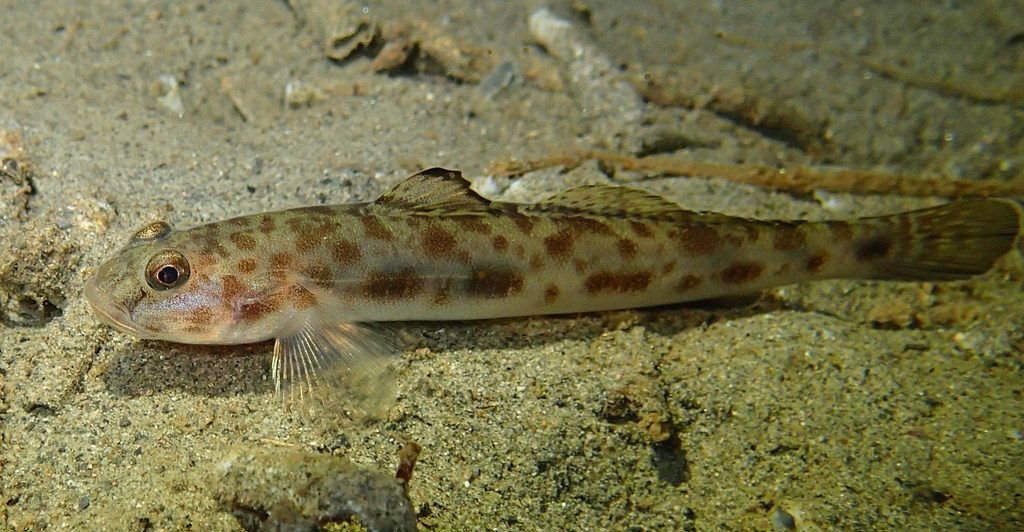
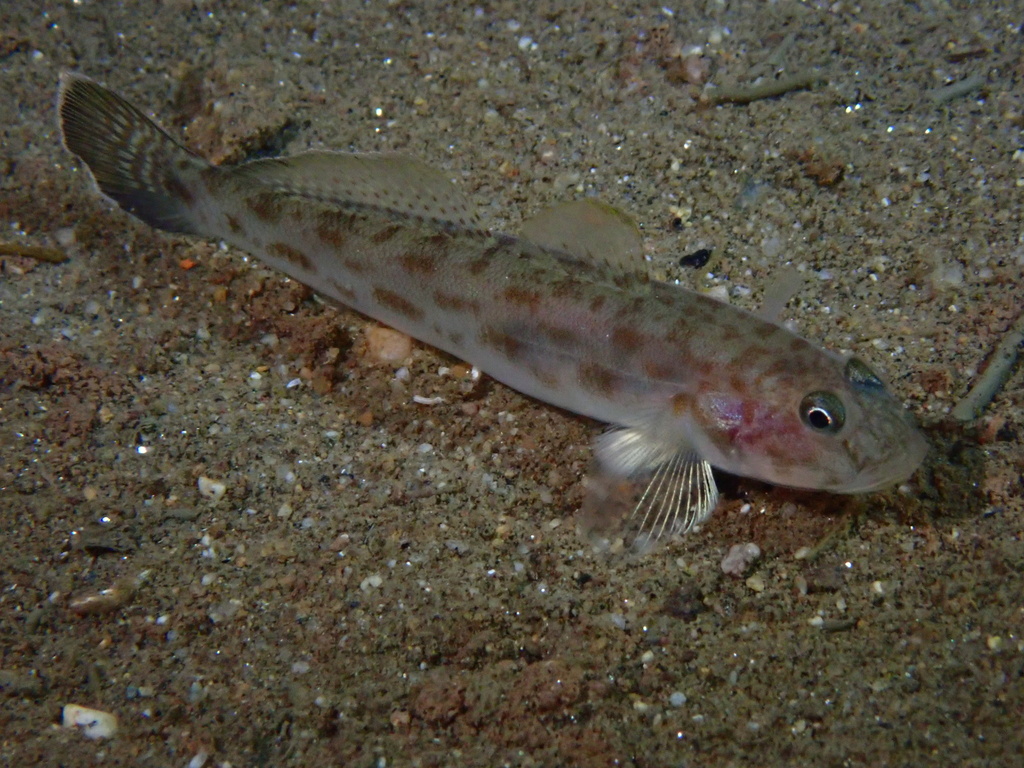
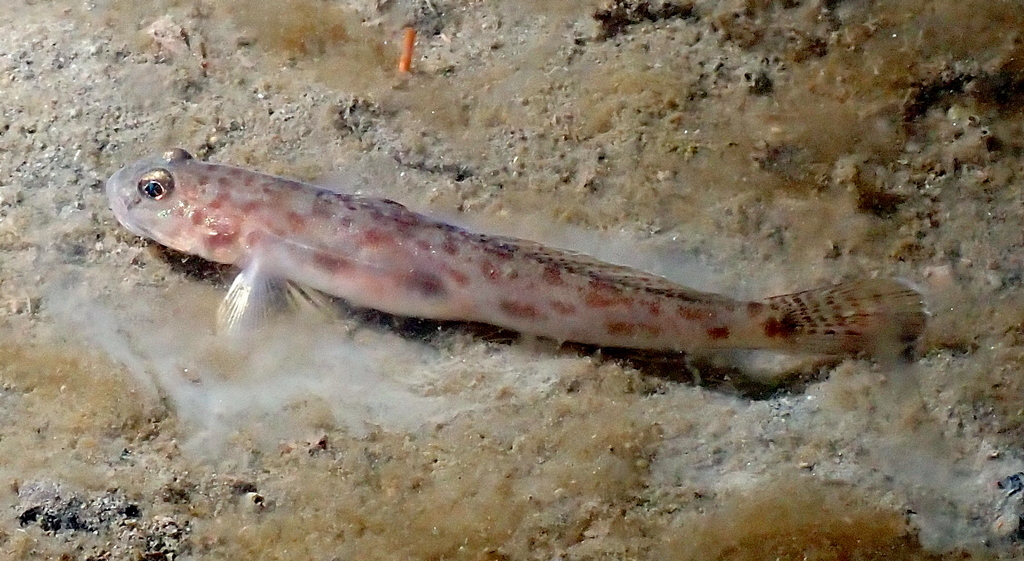
– Size: Typically small, reaching up to 7 cm in length. – Body Shape: Elongated and slender. – Coloration: Light brown to tan with dark spots or markings. – Fins: Long dorsal fin that is continuous, along with a rounded caudal fin. – Mouth: Protruding mouth; lower jaw extends beyond upper jaw. – Habitat: Found in shallow coastal waters and brackish environments, often among sandy or muddy substrates. – Behavior: Commonly seen in schools; often burrow in sand.
Etymology
The scientific name Lepidogobius lepidus is derived from the Greek word “lepido” meaning “scale,” which refers to the fish’s smooth, slender body. The epithet “lepidus” is Latin for “smooth” or “fine,” highlighting its streamlined form that aids in rapid movement through water. Together, they encapsulate the Bay Goby’s elegance and adaptability.
Physical Characteristics
In terms of physical characteristics, the Bay Goby can be recognized by several key features:
- Size: Generally, they grow to a length of about 2 to 4 inches.
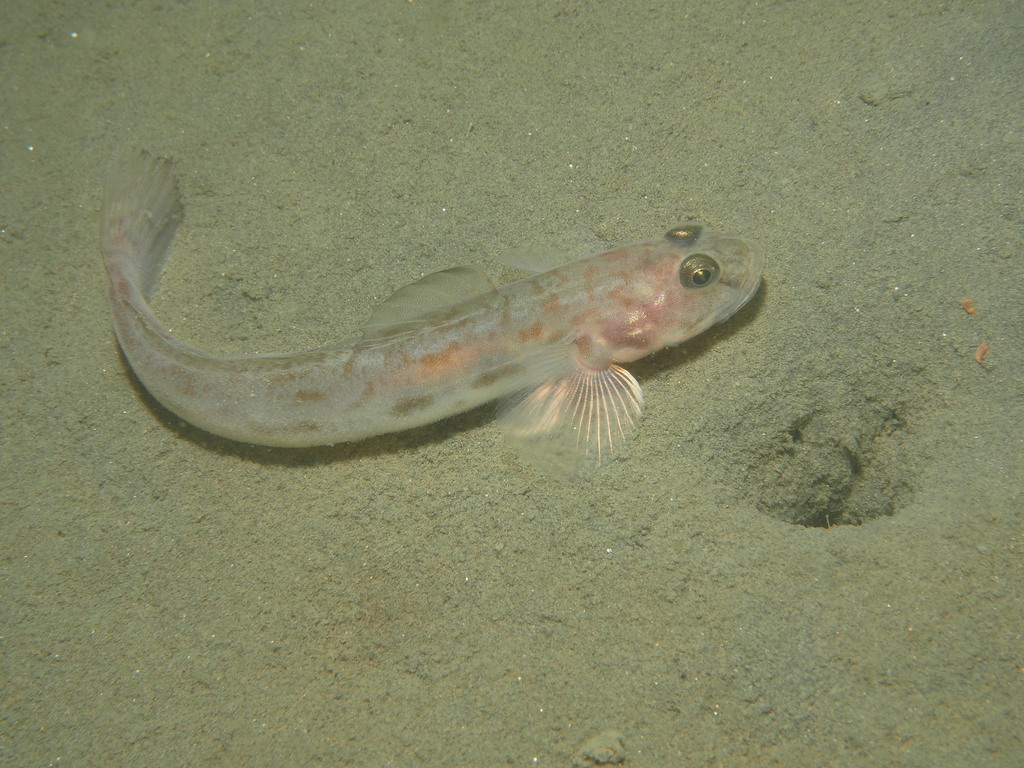
- Body Shape: Their body is somewhat elongated and flattened, which aids in their ability to hide in sandy substrates.
- Coloration: The typical coloration consists of light brown or greenish hues with darker mottling that offers camouflage against the ocean floor.
- Fins: They possess a fused pelvic fin that forms a disc-like suction structure, aiding in their ability to cling to surfaces and avoid being swept away by currents.
Identifiable Traits
Some of the most identifiable traits of the Bay Goby include:
- Head Shape: Broad and rounded head, facilitating burrowing into the substrate.
- Pelvic Fins: Ventral fins are fused to create a suction disc, a feature rare in other fish.
- Mottled Pattern: Their skin presents a beautiful mottled appearance that serves as excellent camouflage against predators.
Ecological Significance
The Bay Goby plays a vital role in its ecosystem. They are significant biocontrol agents, as they feed on small invertebrates, helping to maintain the balance of benthic (bottom-dwelling) communities. By controlling the populations of these small prey species, Bay Gobies support the health of their environment.
Moreover, they are a crucial food source for larger predatory fish and birds, forming an integral link between various levels of the food chain. This interdependence emphasizes the Bay Goby’s ecological importance, contributing to both the biodiversity and stability of coastal ecosystems.
Location/Region
The Bay Goby is primarily found along the Atlantic Coast of North America, ranging from New Jersey to Florida. They often inhabit estuarine areas, where fresh and saltwater meet, allowing them to thrive in a variety of salinity levels. Sandy and muddy substrates are their favorite haunts, where they can burrow and hide from potential threats, making them a common sight in brackish waters.
Social Behavior
Socially, Bay Gobies exhibit various interesting behaviors. They are generally solitary creatures but can be found in small groups, especially in areas rich in food resources. They display territorial instincts, often defending their chosen spots from intruders, particularly during foraging. Their social structure is further enhanced during mating periods when males display their colors and physical prowess to attract females.
Mating Practices
The mating practices of Bay Gobies are quite intriguing. Males engage in elaborate courtship displays, which include vibrant color changes and intricate movements to entice females. After a successful courtship, the female lays her eggs, which are often deposited in small crevices or among vegetation. The male then fertilizes the eggs and closely guards them until they hatch, displaying protective behavior that underscores the species’ role in parental care within the fish community.
Natural Predators
Being small and often hiding in plain sight, Bay Gobies face predation from various larger fish, birds, and marine mammals. Predatory fish that inhabit the same waters, such as flounders and larger gobies, are known to prey on these little creatures. Birds, particularly those that hunt in shallow waters such as herons and egrets, also contribute to the goby’s natural predator list.
Conservation Status
Currently, the Bay Goby does not hold any special conservation status, as it is not considered endangered or threatened. However, like many marine species, they are susceptible to habitat destruction due to coastal development, pollution, and climate change. While they currently remain stable, ongoing monitoring of their populations and habitats is essential to ensure their survival.
Human Impact
Human activities have had a mixed impact on the Bay Goby population. Coastal development and pollution can potentially harm their habitats, while on the other hand, they are sometimes utilized as bait by fishermen, showing their indirect economic importance. Promoting sustainable practices and protecting coastal habitats is vital to ensuring the continued existence of this resilient species.
Interesting Facts
Here are some fascinating facts about the Bay Goby:
- They are often confused with other species of gobies, but their unique body shape and coloration set them apart.
- Bay Gobies have been known to exhibit remarkable adaptability to changing environmental conditions, making them resilient inhabitants of coastal ecosystems.
- They can live up to 3 years in the wild, which is quite impressive for a small fish.
In summary, the Bay Goby (Lepidogobius lepidus) is a fish that exemplifies the diversity and complexity of marine life. With their striking appearance, ecological significance, and captivating behaviors, they deserve our admiration and protection. Whether you find them hiding in the sand or darting through seagrass, take a moment to appreciate the little Bay Goby, an unsung hero of our coastal waters!
Bay Goby (Lepidogobius lepidus)
Lepidogobius lepidus, the bay goby or finescale goby, is a species of goby native to the Pacific coast of North America from British Columbia, Canada to Baja California, Mexico where it can be found on muddy substrates from the intertidal zone to 201 metres (659 ft). This species grows to a length of 10 centimetres (3.9 in) TL. This species is the only known member of its genus.
http://en.wikipedia.org/wiki/Bay_goby
ID: 117546