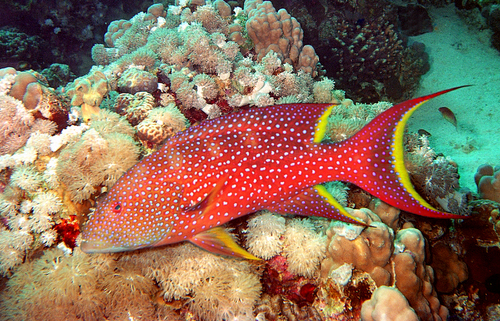
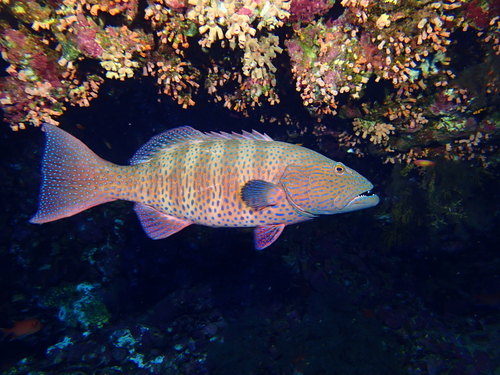
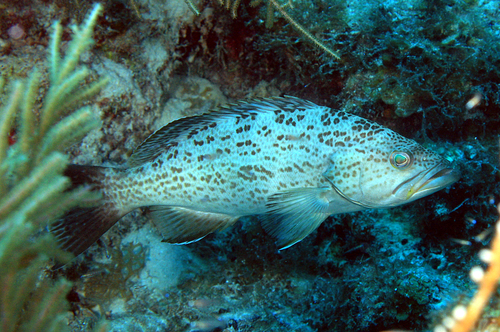
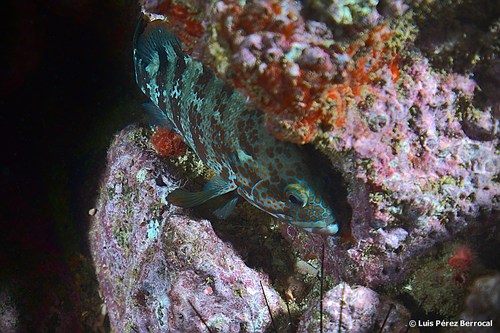
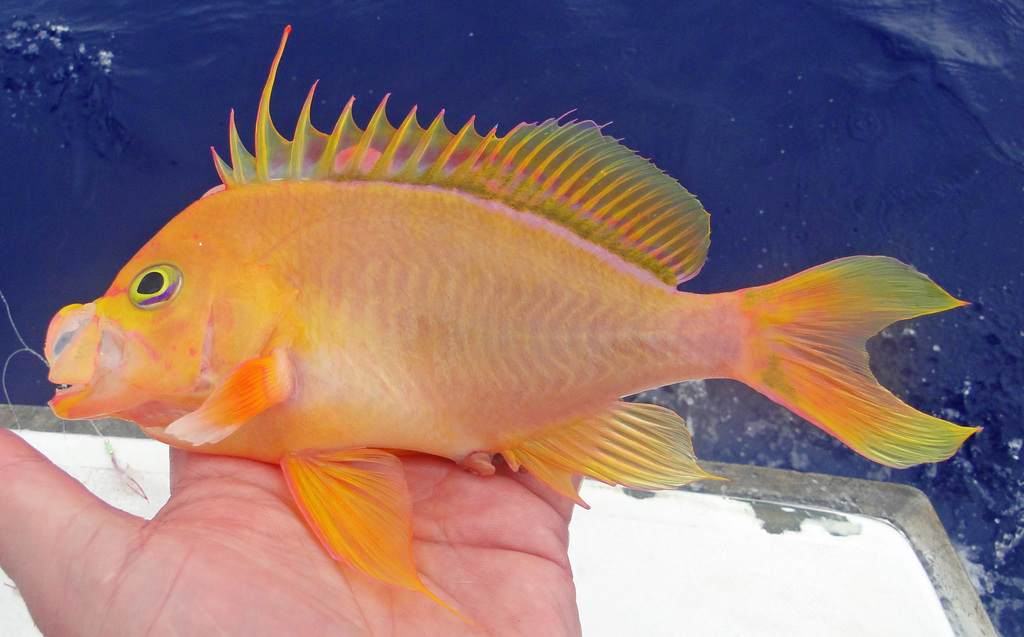
 (c) Dominick Porcelli, some rights reserved (CC BY-NC), uploaded by Dominick Porcelli
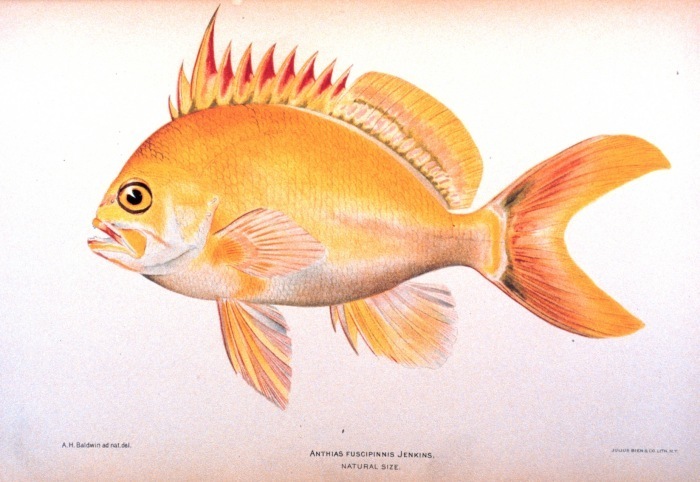 anonymous, no known copyright restrictions (public domain)
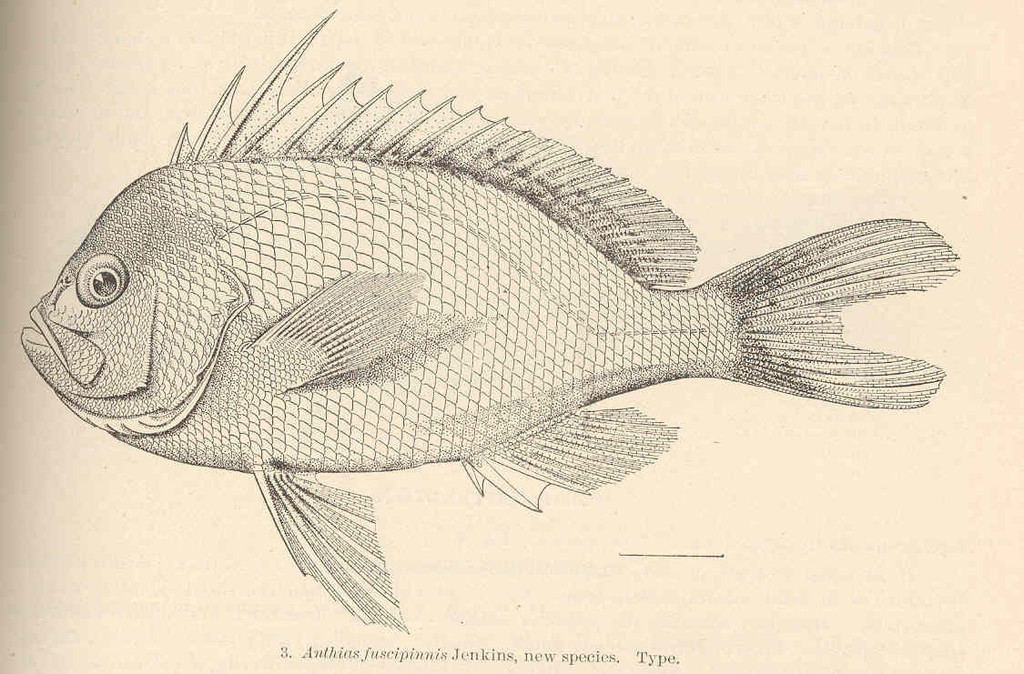 Oliver Peebles Jenkins , no known copyright restrictions (public domain)
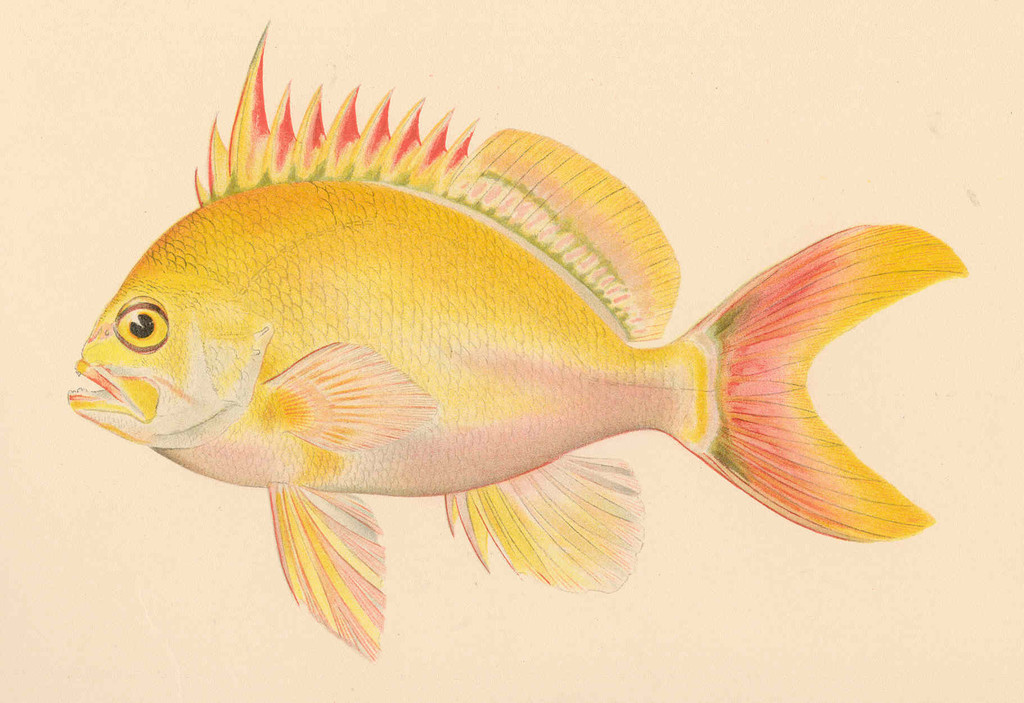 David Starr Jordan , no known copyright restrictions (public domain)
[displaytaxonomy/]
Hawaiian Deep Anthias (Odontanthias fuscipinnis)
The Hawaiian deep anthias (Odontanthias fuscipinnis) is a stunning species of fish that inhabits the vibrant reefs of the Hawaiian Islands. Known for its bright colors and unique behaviors, this marine wonder has captivated divers and researchers alike. Let’s dive into the intriguing life of this fascinating fish, exploring everything from its habitat to its social structures.
Overview
The Hawaiian deep anthias is a type of marine fish that belongs to the family Serranidae, which is commonly associated with the groupers and sea bass. Found primarily in the deeper waters surrounding the Hawaiian archipelago, these fish are recognized for their striking coloration and active social patterns. They thrive in the crevices and ledges of coral reefs, where they play a significant role in the ecosystem.
Identification Tips:
– Body shape: Streamlined, elongated body with a slightly compressed profile. – Coloration: Brightly colored with a distinctive pink to orange hue, often with a yellowish or white underside. – Fins: Notable for long, slender pelvic and anal fins; dorsal fin is elongated and continuous. – Eye color: Large eyes that are usually bright. – Size: Generally grows to about 6-7 inches in length. – Habitat: Found in deep reef environments, typically at depths of 50 to 150 feet. – Behavior: Often seen in small groups or schools, frequently hovering near the reef structure.
Etymology
The scientific name Odontanthias fuscipinnis is derived from Greek and Latin origins. “Odontanthias” combines the Greek word “odon,” meaning tooth, and “anthias,” which pertains to a type of fish belonging to the anthiid family. “Fuscipinnis” comes from Latin, meaning “dark fin,” highlighting the notable characteristics of this species that distinguishes it from other anthias.
Physical Characteristics
One of the most appealing characteristics of the Hawaiian deep anthias is its vibrant coloration. These fish showcase a beautiful palette of shades including bright orange, yellow, and blue. Adult individuals typically measure between 5 to 6 inches in length, although some can grow larger. Their bodies are laterally compressed, allowing them to navigate through the tight spaces of coral reefs with ease.
Identifiable Traits
To identify the Hawaiian deep anthias, look for the following traits:
- Coloration: Bright orange to yellow body with vibrant blue accents.
- Body Shape: Laterally compressed, allowing for agile movements.
- Fins: Dark, elongated dorsal and anal fins, a key feature in identifying Odontanthias fuscipinnis.
These distinguishing features make the Hawaiian deep anthias a breathtaking sight in its native habitat.
Ecological Significance
The Hawaiian deep anthias serves as a crucial member of the reef ecosystem. They primarily feed on small zooplankton and drifting organisms, contributing to the overall health of the marine food web. By controlling the population of these microscopic creatures, these anthias help to maintain balance in the aquatic environment. Moreover, as prey for larger predators, they play an essential role in the energy transfer within the ecosystem.
Location/Region
Naturally, the Hawaiian deep anthias can be found exclusively around the islands of Hawaii, usually residing at depths of 200 to 500 feet. They prefer areas with abundant coral structures where they can find shelter from predators. The rich biodiversity of Hawaiian waters provides a vibrant backdrop for these impressive fish to thrive.
Social Behavior
In terms of social structure, Hawaiian deep anthias exhibit fascinating behaviors. Typically found in small to medium-sized groups, they demonstrate a hierarchical social structure. Within these groups, dominant males occupy the prime territories and have preferential access to mates. The males are known to be quite territorial and will display behaviors such as color changes and aggressive posturing to defend their areas. Their active social interactions create a lively environment within the reef.
Mating Practices
Mating in Hawaiian deep anthias is both strategic and competitive. During the breeding season, dominant males attract females through vibrant displays and courtship behaviors, which may include elaborate swimming patterns and color changes to showcase vitality and fitness. Spawning occurs in the early morning just before sunrise, a timing that enhances the chances of fertilization as the males release sperm simultaneously with the females’ eggs into the water column.
Natural Predators
Though the Hawaiian deep anthias may be beautiful, they are also a vital food source for a variety of predatory fish. Larger reef fish, such as groupers and jacks, as well as predatory species like octopuses, pose a significant threat to these dazzling creatures. Their ability to dart swiftly into crevices helps mitigate some predation risks.
Conservation Status
Currently, the Hawaiian deep anthias is not listed as endangered. However, as with many species found in delicate coral ecosystems, they are threatened by various factors. Coral reef degradation, climate change, and overfishing pose significant risks to their habitats and populations. Ongoing conservation efforts are essential in ensuring the longevity of this species and its environment.
Human Impact
Human activities significantly influence the habitats of the Hawaiian deep anthias. Coral reef damage from pollution and climate change has led to declining populations of these vital ecosystems. Sustainable fishing practices and marine protective measures are crucial for maintaining healthy populations. By advocating responsible tourism and reef protection, we can enjoy the beauty of species like Odontanthias fuscipinnis while ensuring their survival for future generations.
Interesting Facts
- The Hawaiian deep anthias exhibits a unique color pattern that can change depending on the fish’s mood or social status.
- These fish are known to be quite resilient, often thriving in fluctuating environmental conditions.
- Their vibrant colors are not just for show; they also play a role in communication within their complex social structures.
The Hawaiian deep anthias is a remarkable example of nature’s beauty and complexity. As we continue to learn more about this species and its role in the marine ecosystem, we are reminded of the delicate balance within our oceans and the importance of preserving these intricate habitats.
Hawaiian deep anthias (Odontanthias fuscipinnis)
ID: 620629